
There’s an unfair prejudice against sweet & fortified wine — it deserves better! Here’s a short guide to remind you how great these wines are:
Sweet Wines
Moscato
An Italian classic, Moscato is originally from Asti in north-west Italy. The grapes have a phenomenal musk aroma which really suits what we call in the wine industry ‘breakfast wines’ (!). It’s light, low-alcohol, medium-to-highly sweet, and most often made in a lightly sparkling (“frizzante”) style — perfect with meringue desserts and berries, or as a cocktail base. Or, you know – with pancakes 😉
Late harvest
A classic of a different kind: our Late Harvest wines. You might have spotted the little half bottles full of amber liquid and wondered what all the fuss was about. Bordeaux’s dessert wines inspired this style, but our local versions hold their own as world class. Winemakers usually craft them from semillon or riesling, producing a gold or amber wine with obvious but not overwhelming sweetness. They age wonderfully, and despite that sweetness, they strike an impeccable balance. Pair them with stone-fruit desserts and cheese for a great match.
Botrytis-affected styles
Botrytis, or “noble rot,” is a mould that concentrates flavour by reducing water content in the grape, creating distinctive marmalade, ginger, honey and butterscotch characters. Specific vineyards and specific seasons are the only places botrytis can grow, which keeps this wine a specialty item — it ages gracefully and beautifully closes out a dinner party alongside rich fruit desserts or blue cheese.
Fortified Wine and Sherry
Fun fact: Australia’s wine industry was built on fortified wine. In 1960, 70% of all Australian wine was fortified! The Barossa, Riverland and Rutherglen remain the heartland, thanks to their warm climates. Read on for the glorious details…
Tawny, muscat and topaque
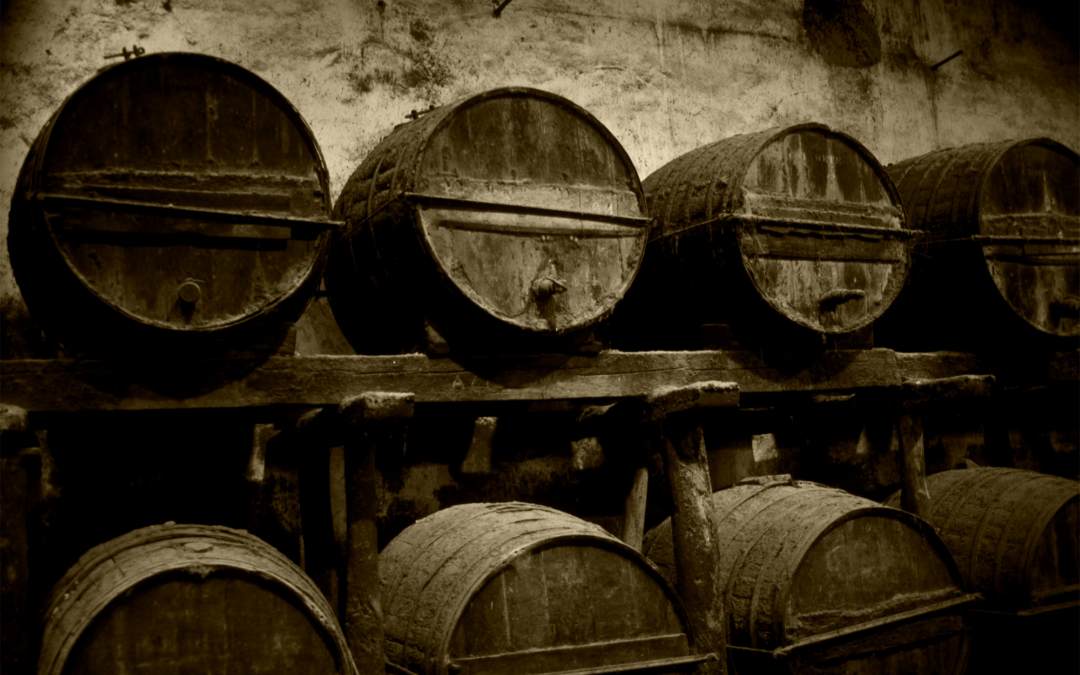
In these styles very ripe grapes are fermented, then a spirit is added partway through to stop fermentation. This locks in high alcohol and high residual sugar. The wine is then aged in large oak casks, sometimes for decades, developing rich “rancio” flavours like the ones below.
- Tawny Port — hazelnut, vanilla, toffee, dried fruit.
- Topaque — honey, toffee, butterscotch, cold tea.
- Muscat — molasses, raisin, rose petal, Turkish delight.
The Rutherglen classification system marks the ageing spectrum: Rutherglen (2–5 years), Classic (5–10 years), Grand (11–19 years), and Rare (20+ years) — older wines are rarer, more complex, and more expensive.
Vintage Port
A different beast entirely — fermentation runs further (less sugar, more alcohol), and after just two years in oak, vintage port is designed to age for decades in bottle. Expect dark fruit, anise and chocolate flavours when young, developing into walnut, prune and coffee with age. Once open, it lasts about a week — and pairs beautifully with a really good cheddar.
Sherry
Time to rethink sherry — it’s one of the world’s most fascinating wine styles, not just the bottom-shelf stuff at the back of the cabinet.
- Fino — light-bodied, dry, with salty, apple and nutty umami flavours from a unique “flor” yeast that grows on the wine as it ages. Incredible with anchovies, tapas and seafood.
- Amontillado and Oloroso — richer, more concentrated styles, developing raisin, walnut, orange and caramel characters. Oloroso, the richest of the two, pairs beautifully with game and aged cheese.
- Pedro Ximenez (PX) — made from grapes left to raisin on the vine, then sun-dried before fermenting. Dark, viscous and very sweet, with chocolate, coffee and dried fruit flavours — a phenomenal match for strong blue cheese.